ASIMKOM Statement: On Concerns Regarding Transnational Persecution and Repression Against Active Political Exiles
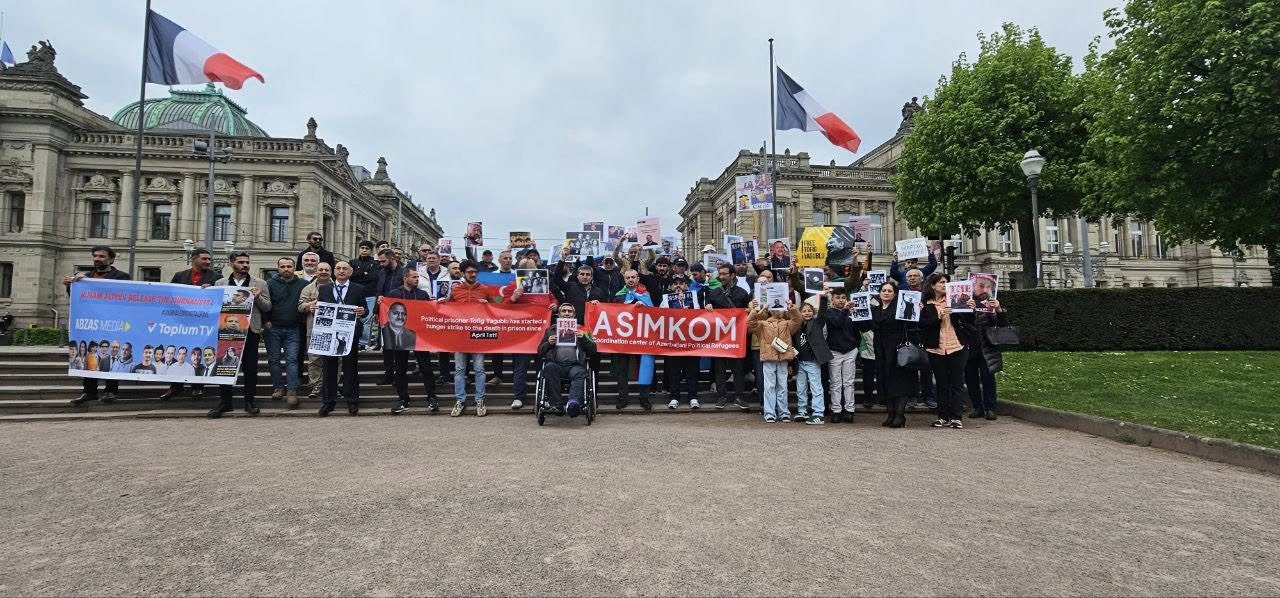
ASIMKOM Statement
On Concerns Regarding Transnational Persecution and Repression Against Active Political Exiles
ASIMKOM expresses its serious concern over the recent increase in aggressive calls by Azerbaijani emigrants living in Europe who are loyal to the Azerbaijani authorities against exiles who actively criticize the government of Azerbaijan.
The purpose of this statement is to draw the attention of the public and international organizations to potential risks arising from the current situation and to emphasize the importance of careful monitoring by democratic institutions.
Context of Recent Developments
According to information circulated in open sources, following certain incidents that occurred during Azerbaijani President Ilham Aliyev’s visits to Germany to attend the Munich Security Conference and subsequently to the United States, an intensification of aggressive and targeted campaigns against political exiles has been observed in pro-government media resources and public platforms.
At the same time, various sources have voiced claims and calls suggesting a possible expansion of coordinated information and pressure activities targeting active political exiles. While an objective assessment of such information is only possible through independent investigations, the existing indicators make careful monitoring of the situation necessary.
Risks of Transnational Repression
In recent years, reports by international human rights organizations have characterized pressure exerted by some states against critics living abroad as “transnational repression.” ASIMKOM believes that potential elements of persecution and pressure against political exiles require particular attention within this context.
Such practices pose a serious threat to international obligations related to freedom of expression, freedom of political activity, and personal security, including compliance with European human rights standards.
Trends Observed Within Diaspora Environments
According to ASIMKOM’s observations, initiatives associated with diasporas connected to Russia, Azerbaijan, and other authoritarian countries operating in Western states increasingly risk evolving from platforms spreading harsh rhetoric into potential sources of concern for political exiles. In some cases, slogans such as “uniting against emigration” and similar expressions contribute, at minimum, to deepening an atmosphere of confrontation within democratic societies.
ASIMKOM calls on individuals participating in such initiatives to take into account the legal and political values and standards of the democratic societies in which they live and emphasizes that transferring political confrontations into the legal environments of foreign countries may lead to negative consequences.
ASIMKOM’s Position
ASIMKOM considers that:
\ • activities of individuals who present themselves as diaspora activists while supporting campaigns of persecution or pressure against political exiles should be carefully examined;
\ • reducing mutual accusations among political exiles, civic activists, and media representatives and fostering a responsible communication environment is necessary;
\ • lowering confrontational rhetoric may allow more objective observation of possible manipulative influences.
Call to International Partners
ASIMKOM calls on international human rights institutions and the relevant bodies of democratic countries to:
\ • pay close attention to risks and threats to the safety and well-being of political exiles who oppose Azerbaijani authoritarian practices that undermine democratic institutions in Europe and the United States;
\ • strengthen monitoring mechanisms concerning possible cases of transnational pressure and threats;
\ • continue measures aimed at protecting freedom of expression and political activity.
Monitoring and Legal Action
ASIMKOM states that it monitors risks of persecution, pressure, and threats against political exiles through open sources, witness testimonies, and legal monitoring mechanisms, documents obtained information, and, when necessary, shares findings with relevant law-enforcement bodies and international institutions.
Conclusion
ASIMKOM believes that all actors benefiting from the freedoms offered by Europe’s democratic space must operate within the framework of legal responsibility and democratic principles. Political pluralism must never turn into a source of security risk.
The organization will continue monitoring the situation and will regularly inform the public about further developments.