Resolution (2) of the First Pan-European Congress of Azerbaijani Political Exiles and Exiled Media on the Situation of Political Prisoners in Azerbaijan
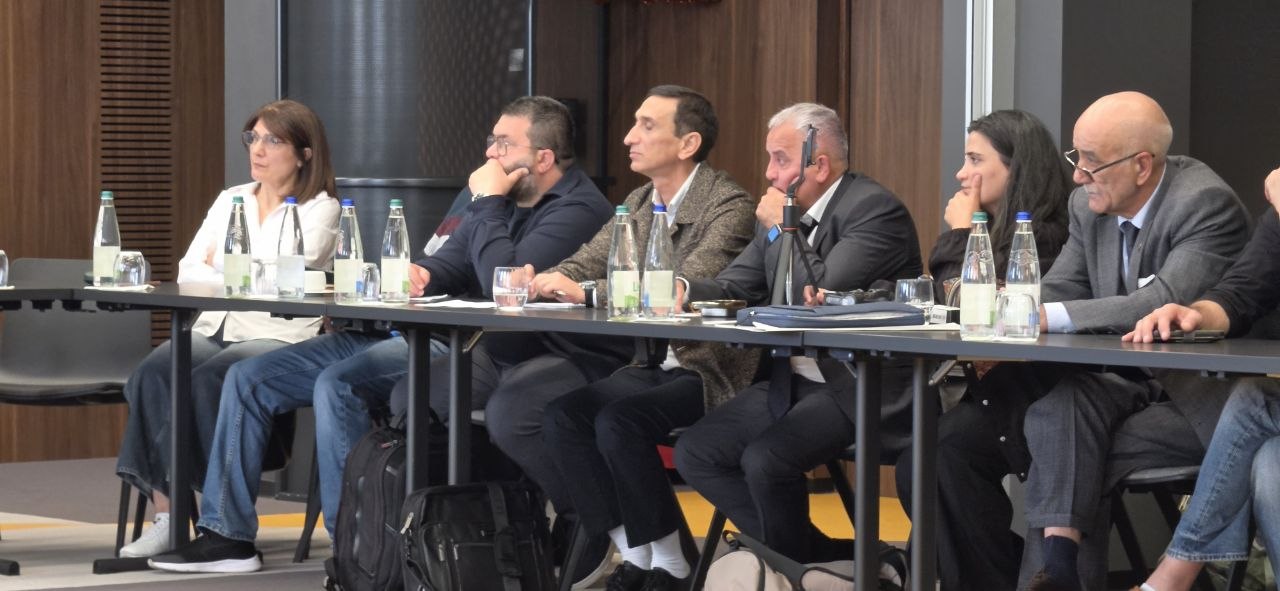
The participants of the First Pan-European Congress of Azerbaijani Political Exiles and Exiled Media, having discussed the state of human rights, political freedoms, and political prisoners in the Republic of Azerbaijan, declare:
Political repression in Azerbaijan has assumed a systematic and unprecedented character. According to available information, the number of political prisoners in the country exceeds 350.
Representatives of virtually the entire socio-political spectrum of the country are being held in prisons and pre-trial detention facilities:
-
• leaders and activists of opposition parties;*
-
• human rights defenders and representatives of civil society;*
-
• journalists, editors, bloggers, and media executives;*
-
• academics, researchers, and public intellectuals;*
-
• trade union and social activists;*
-
• religious believers and religious activists — representatives of Shiite, Sunni, Salafi, and other religious communities;*
-
• citizens persecuted for their social media posts and comments;*
-
• participants in peaceful protests;*
-
• persons convicted in connection with political and military-political events that took place in the early 1990s.*
Thus, political repression in Azerbaijan is no longer directed against any particular ideological, political, or religious group. It has become a universal instrument for silencing any independent opinion, civic activism, and criticism directed at the authorities.
System of Fabricated Charges
Today, a person in Azerbaijan can be imprisoned for expressing a dissenting opinion in virtually any form: for a social media post or comment, participation in a peaceful protest, a journalistic investigation, human rights advocacy, criticism of corruption, or expressing a political or religious position.
The authorities use a wide range of fabricated criminal charges in order to give the appearance of legality to political persecution:
-
• illegal drug trafficking;*
-
• foreign currency smuggling;*
-
• illegal entrepreneurship;*
-
• tax evasion;*
-
• fraud;*
-
• hooliganism;*
-
• extortion and threats;*
-
• causing bodily harm;*
-
• robbery;*
-
• treason;*
-
• preparation for a coup d’état;*
-
• other serious and particularly serious crimes.*
In many cases, narcotics, money, and other so-called “material evidence” are planted on individuals or in their homes during detention or searches. Charges are built on contradictory statements obtained under pressure, materials provided by operational services, and formal conclusions of the investigation.
The practice of charging independent journalists and civil society representatives with currency smuggling, illegal entrepreneurship, and financial crimes is particularly widespread. In reality, it is not crimes but cooperation with international organizations, receipt of grants, journalistic investigations, and independent civic activity that are subjected to criminal prosecution.
Lack of an Independent Judiciary and Legal Protection
In Azerbaijan, the independent judicial system has been almost completely dismantled. Courts have become an extension of investigative bodies and the political apparatus of the executive authorities.
Requests by the defense are systematically rejected, complaints concerning torture and cruel treatment are not investigated, evidence presented by the prosecution is not objectively examined, while statements obtained under physical or psychological pressure are used to secure convictions.
Lawyers who conscientiously defend political prisoners themselves become targets of pressure. They face threats, administrative persecution, criminal charges, and the risk of being deprived of their professional status.
As a result, political prisoners are simultaneously deprived both of effective legal defense and of their right to an independent, impartial, and fair trial.
Torture and Inhuman Treatment
In police stations, pre-trial detention facilities, and penitentiary institutions, both physical torture and various methods of psychological and moral pressure are regularly used.
Political prisoners:
-
• are beaten and subjected to treatment that degrades human dignity;*
-
• are deprived of sleep;*
-
• are held in prolonged isolation;*
-
• have their opportunities to communicate with relatives restricted;*
-
• are deprived of telephone calls, visits, and correspondence;*
-
• are held in severely overcrowded cells;*
-
• are deliberately placed in cells with aggressive, psychologically unstable, or prisoners who constantly require outside assistance;*
-
• are subjected to attempts to involve them in conflicts and provocations inside the cell;*
-
• are subjected to threats, blackmail, and pressure through family members;*
-
• are deprived of necessary medical care and medication;*
-
• are punished for complaining about detention conditions and violations of their rights.*
The combination of these methods should, in many cases, be regarded as torture or inhuman or degrading treatment.
The situation of elderly and seriously ill political prisoners is of particular concern. They are often denied the opportunity to undergo a full medical examination, receive treatment, or be transferred to a specialized medical facility.
Inadequate and Excessively Severe Sentences
Political prisoners, primarily journalists, human rights defenders, civil society representatives, and opposition figures, are sentenced to terms of imprisonment ranging from 9 to 15 years.
These sentences are often harsher than those imposed by Azerbaijani courts for murder, rape, and other serious violent crimes.
The demonstrative severity of these sentences indicates that the authorities’ objective is not merely to isolate citizens who hold critical views. The principal aim is to intimidate society as a whole and force people to abandon journalistic, political, civic, and human rights activities.
Unprecedented Persecution of Journalists
For the first time in the history of independent Azerbaijan, more than 40 journalists, editors, media executives, and other media representatives are simultaneously being held in detention or subjected to criminal prosecution.
The editorial offices of leading independent media organizations, including Abzas Media, Toplum TV, and Meydan TV, have been raided or their activities have effectively been paralyzed. Journalists are sentenced to lengthy terms of imprisonment for their professional activities, investigations into corruption, and informing the public about human rights violations.
The mass imprisonment of young women journalists is particularly alarming. The simultaneous detention of around ten women represents an unprecedented development in the modern history of Azerbaijan.
They include:
-
• Sevinc Vaqifqızı;*
-
• Nərgiz Absalamova;*
-
• Elnarə Qasımova;*
-
• Aynur Elgünəş;*
-
• Aysel Umudova;*
-
• Aytac Tapdıq;*
-
• Xəyalə Ağayeva;*
-
• Fatimə Mövlamlı;*
-
• Ülviyyə Əli.*
The Azerbaijani authorities, which constantly speak of their commitment to national and family values, blatantly violate those principles when it comes to women who demonstrate independence and civic engagement.
Reports of cruel treatment, sexually charged threats, humiliation, and psychological pressure against women journalists in detention must be investigated immediately and independently.
Persecution of Ali Karimli
The First Pan-European Congress of Azerbaijani Political Exiles and Exiled Media draws particular attention to the criminal prosecution of Ali Karimli, chairman of the Azerbaijan Popular Front Party and one of the leading figures of the Azerbaijani opposition.
Ali Karimli was detained on 29 November 2025 following a search conducted at his home by officers of the State Security Service. He was charged with allegedly participating in an attempted forcible seizure of state power and the overthrow of the President of Azerbaijan.
The investigation is attempting to link Ali Karimli to the criminal case against former head of the Presidential Administration Ramiz Mehdiyev and alleges that the latter supposedly financed the opposition leader. Ali Karimli, his lawyers, and the leadership of the Azerbaijan Popular Front Party categorically reject these allegations, stating that they are entirely fabricated and politically motivated.
The First Pan-European Congress of Azerbaijani Political Exiles and Exiled Media regards Ali Karimli’s imprisonment as an attempt to completely eliminate organized political opposition in Azerbaijan. The authorities are attempting to portray lawful opposition activity, criticism of the government, and the struggle for democratic change of government as an assassination attempt and a state crime.
The conditions of Ali Karimli’s detention, the deterioration of his health, his deprivation of necessary medical care, and the application of various forms of psychological pressure against him are of particular concern.
The arrest of the chairman of one of the country’s oldest and largest opposition parties indicates that the Azerbaijani authorities have entered a new stage of political repression. The purpose of this stage is to completely eliminate any organized political alternative.
Most Prominent Political Prisoners
The First Pan-European Congress of Azerbaijani Political Exiles and Exiled Media notes that this list is neither complete nor exhaustive and draws particular attention to the persecution of the following individuals.
Opposition Leaders and Political Activists
** • Ali Karimli;**
** • Tofig Yagublu;**
** • Azer Gasimli;**
** • Bakhtiyar Hajiyev;**
** • Emin Ibrahimov;**
** • Akif Gurbanov;**
** • Ruslan Izzatli.**
Human Rights Defenders and Civil Society Representatives
** • Anar Mammadli;**
** • Rufat Safarov;**
** • Bashir Suleymanli;**
** • Afiyaddin Mammadov;**
** * • other civil society and trade union activists.***
Academics and Researchers
** • Bahruz Samadov;**
** • Igbal Abilov;**
** • Fazil Gasimov;**
** * • Gubad Ibadoghlu, whose freedom of movement and other rights remain restricted.***
Journalists and Media Workers
-
• Ulvi Hasanli;*
-
• Sevinc Vaqifqızı;*
-
• Hafiz Babali;*
-
• Nərgiz Absalamova;*
-
• Elnarə Qasımova;*
-
• Farid Mehralizade;*
-
• Alasgar Mammadli;*
-
• Mushfig Jabbarov;*
-
• Natiq Javadli;*
-
• Ramin Deko;*
-
• Shamshad Agha;*
-
• Fatimə Mövlamlı;*
-
• Ülviyyə Əli;*
** * • employees of Abzas Media, Toplum TV, Meydan TV, and other independent information resources.***
We emphasize that behind every name there is not only a destroyed human life, but also families, children, and elderly parents who are effectively subjected to collective punishment.
Situation of Religious Believers
A significant proportion of political prisoners consists of religious believers and religious activists — representatives of Shiite, Sunni, Salafi, and other Muslim communities.
The First Pan-European Congress of Azerbaijani Political Exiles and Exiled Media opposes discrimination against political prisoners on ideological or religious grounds. Disagreement with a person’s beliefs cannot justify torture, fabricated charges, or deprivation of the right to a fair trial.
Freedom of conscience and religious belief is a fundamental right of every citizen. Any criminal prosecution must be based not on a person’s religious affiliation, political views, or associations, but on a specific act proven to have been committed.
Regarding Those Convicted in Connection with Events of the Early 1990s
The First Pan-European Congress of Azerbaijani Political Exiles and Exiled Media draws particular attention to the fate of former members of the Special Purpose Police Detachment — OPON/OMON — who were sentenced to life imprisonment in connection with armed and military-political events that took place in the 1990s.
They include:
-
• Elchin AmirAslanov;*
-
• Safa Poladov;*
-
• Arif Kazimov;*
-
• Aliyusif Tahirov;*
-
• other persons convicted in connection with the March 1995 events.*
We do not claim that all of these individuals committed no unlawful acts whatsoever. However, it is impossible to ignore the fact that their trials took place amid severe political confrontation, were accompanied by serious allegations of torture, and failed to meet the requirements of a fair trial.
More than thirty years have passed since those events. Even if we take the guilt established by the courts as the basis, these individuals have already served extremely severe sentences.
The principles of humanity, serious doubts concerning the fairness of the original trials, and the advanced age and health conditions of many of the prisoners require their release, pardon, or immediate retrial by an independent court.
The First Pan-European Congress of Azerbaijani Political Exiles and Exiled Media Demands:
-
- All persons recognized as political prisoners by Azerbaijani and international human rights organizations must be released immediately and unconditionally.*
-
- Until their release, the safety of every political prisoner, humane conditions of detention, and protection from torture, threats, provocations, and degrading treatment must be ensured.*
-
- Unhindered communication between prisoners and their relatives and lawyers, regular telephone calls, visits, receipt of parcels, and correspondence must be ensured.*
-
- Prisoners must immediately receive full medical care; independent doctors must be granted access to them; seriously ill prisoners must be released on humanitarian and medical grounds.*
-
- All complaints concerning torture, beatings, sexually charged threats, sleep deprivation, denial of medical care, and other forms of cruel treatment must be investigated independently.*
-
- Officials, police officers, and representatives of investigative and penitentiary authorities involved in torture, fabrication of criminal cases, and cruel treatment of prisoners must be held accountable.*
-
- Every accused person must be guaranteed the right to confidential communication with an independent lawyer and defense counsel and the right to a fair trial.*
-
- Pressure on lawyers must cease, and the professional status of defense lawyers deprived of their status for conscientiously performing their professional duties must be restored.*
-
- Convictions based on confessions obtained under pressure, fabricated evidence, and unproven financial charges must be annulled.*
-
- All journalists must be released immediately, and criminal prosecution of independent media workers must cease.*
-
- The practice of persecuting citizens for their social media posts, comments, reposts, and expression of opinions must cease.*
-
- Religious activists imprisoned for peacefully exercising their rights to freedom of conscience, religious belief, and association must be released.*
-
- Repression against family members of political exiles, including threats, dismissal from employment, restrictions on leaving the country, and other forms of collective punishment, must cease.*
-
- Former OPON/OMON members who have been held in detention for more than thirty years must be released through the application of pardons, amnesties, or other humanitarian mechanisms provided for by law.*
-
- Representatives of the International Committee of the Red Cross, the Council of Europe, the United Nations, and independent international human rights organizations must be granted access to penitentiary institutions.*
-
- A special commission, with the participation of independent Azerbaijani and international experts, must be established to review all cases bearing signs of political motivation.*
The freedom of political prisoners is a matter of human dignity, justice, and respect for fundamental human rights.
Freedom for Ali Karimli!
Freedom for all political prisoners in Azerbaijan!
Adopted by the participants of the First Pan-European Congress of Azerbaijani Political Exiles and Exiled Media.
Strasbourg, 26 September 2026