ASİMKOM Statement on Journalist Afgan Sadigov
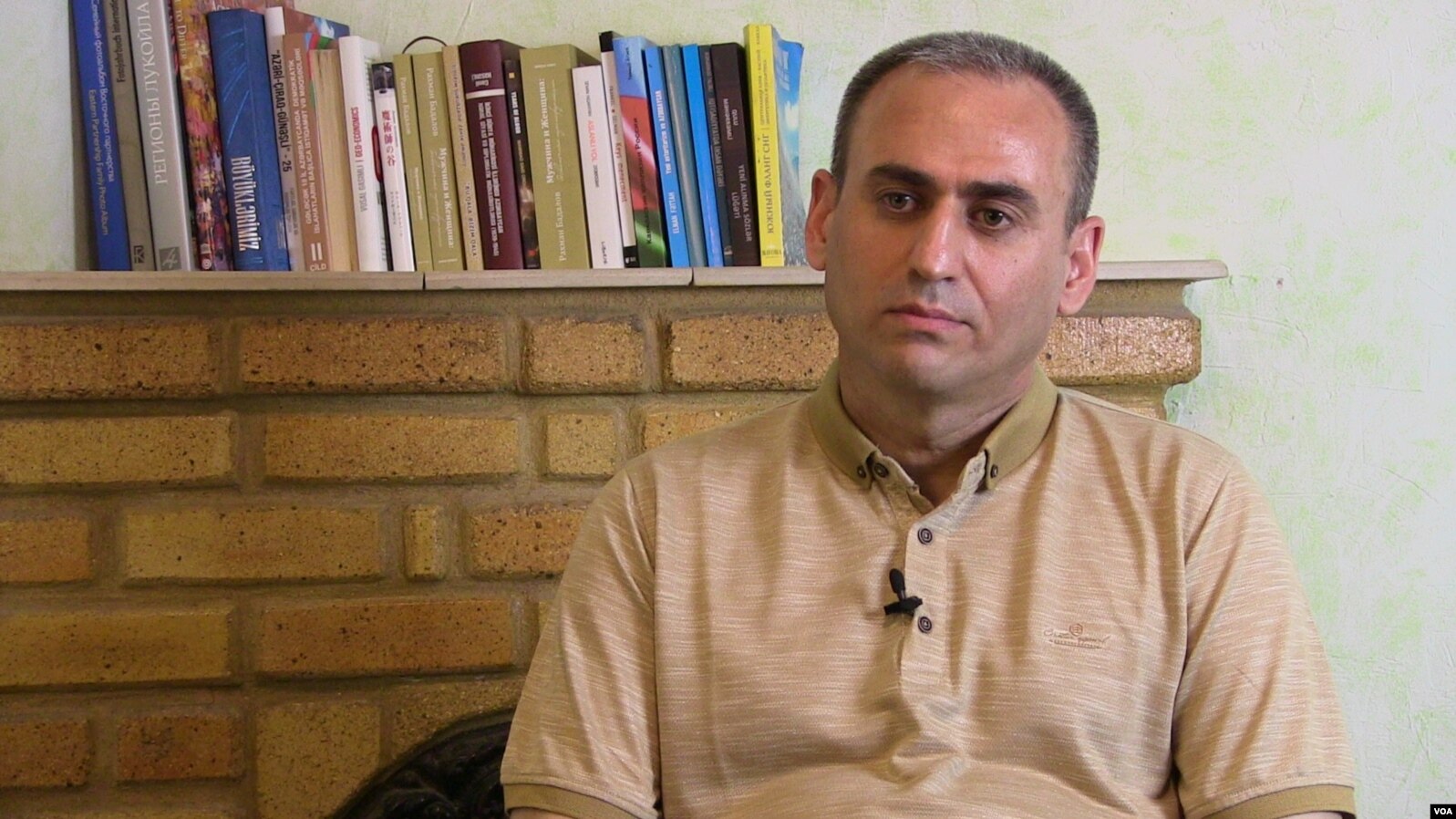
ASİMKOM is closely following with deep concern the recent developments surrounding Azerbaijani opposition journalist Afgan Sadigov, in particular the obstruction of his departure from Georgia and his subsequent return to Azerbaijan.
As is well known, Afgan Sadigov has long been recognized for his critical stance toward the Azerbaijani authorities and has been subjected to repeated persecution as a result. In 2020, he was sentenced to a lengthy term of imprisonment and was later released under a presidential pardon in 2023. At the end of that year, he left Azerbaijan and relocated to Georgia, where he continued his activities.
During his time in Georgia, Sadigov continued to criticize the Azerbaijani government and also took part in local political processes, including opposition protests. As a result of these activities, he was detained in 2024, and a court subsequently ruled in favor of his extradition to Azerbaijan.
In protest against this decision, Sadigov launched a prolonged hunger strike, which lasted until the European Court of Human Rights determined that his extradition would pose a serious risk to his life and safety, rendering it inadmissible.
At a later stage, Sadigov was released and expressed his intention to reunite with his family. His family members had already been granted political asylum in France, and in March 2026, official authorization for family reunification was issued. Within this framework, arrangements were made to allow Sadigov to leave Georgia.
However, subsequent developments indicate that this process was obstructed in a manner inconsistent with legal standards. A series of actions carried out within a short period — including contacts between law enforcement authorities, rapid shifts in court decisions, and a late-night operation — strongly suggest that Sadigov’s departure was deliberately prevented.
In early April, law enforcement officers entered the journalist’s residence, detained him, and brought him before a court in a late-night hearing, where a decision was made to remove him from the country. The information presented during this process, including last-minute changes to official documents, raises serious concerns regarding the transparency and legal basis of the proceedings.
Immediately following the ruling, Sadigov was handed over to the Azerbaijani authorities. Upon arrival, he was questioned by the relevant state body and subsequently released. Regrettably, this release appears to be only temporary, and in practice, the journalist remains in a situation resembling de facto captivity within Azerbaijan.
ASİMKOM believes that these events are not isolated incidents, but rather the result of a sequence of coordinated actions. This process not only restricts a journalist’s right to freedom of movement but also creates real risks to his personal safety.
Past experience shows that in such cases, previously closed criminal proceedings may be reactivated at any time. The fate of individuals returned or deported from abroad in recent years clearly demonstrates that these risks are not hypothetical.
In the current context, independent journalists and political activists operating abroad constitute a particularly vulnerable group. Restrictions imposed on their activities — especially measures preventing their access to European countries — may be viewed as part of a broader pattern.
ASİMKOM expresses serious concern regarding the actions taken by the Georgian authorities and underscores the importance of adhering to international legal obligations, including respect for judicial decisions.
The organization believes that the current situation requires an appropriate legal and political response at the international level. In particular, it is essential to ensure Sadigov’s right to family reunification and to facilitate his safe departure from Azerbaijan.
ASİMKOM calls on international organizations and relevant state institutions to closely monitor this case and to take action to ensure that it is resolved in accordance with international legal standards.